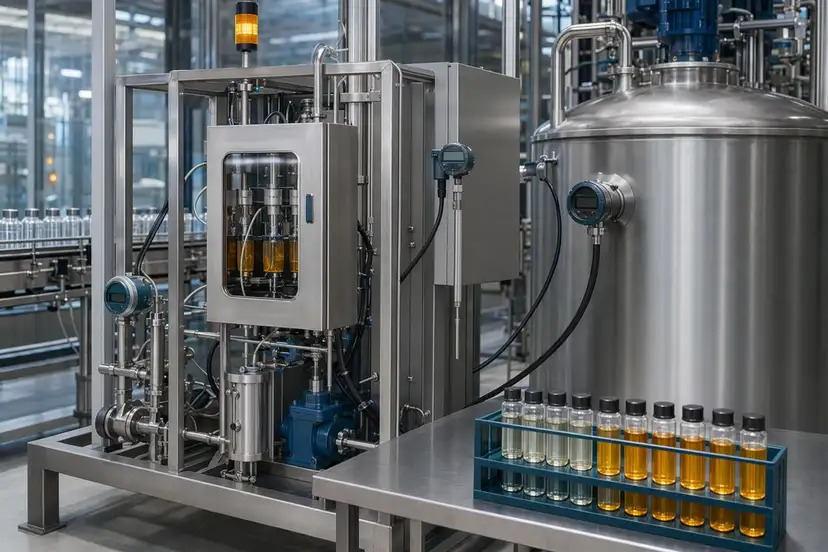
Replace Chemicals with Enzymes in Factory Pilots
Plan controlled enzyme pilot projects to reduce or replace chemical steps, manage plant risk, and validate production KPIs before scale-up.
Request pricing Plan controlled enzyme pilot projects to reduce or replace chemical steps, manage plant risk, and validate production KPIs before scale-up.
Request pricingChemical reduction looks attractive on paper. On the production floor, it has to survive raw material variation, line speed, operator routines, cleaning windows, wastewater limits, procurement rules, and customer specifications.
Yieldwright Labs supports factories that want to evaluate whether an enzyme can reduce or replace a chemical step without disrupting throughput or product quality. We act as an industrial enzyme trial supplier for factories that need a controlled path from technical hypothesis to production-floor proof.
Our role is not to promise a swap. Our role is to design the pilot so your team can make a commercial decision with defensible data.
Request a quote using the on-site form
A pilot is worth considering when a chemical step is creating measurable pressure in the process or business case.
Common triggers include:
We help determine whether enzyme chemistry is technically plausible, commercially relevant, and safe to test under plant conditions.
Factory teams do not need a science project. They need a structured trial with gates, hold points, and decision criteria.
Yieldwright Labs builds enzyme replacement pilots around:
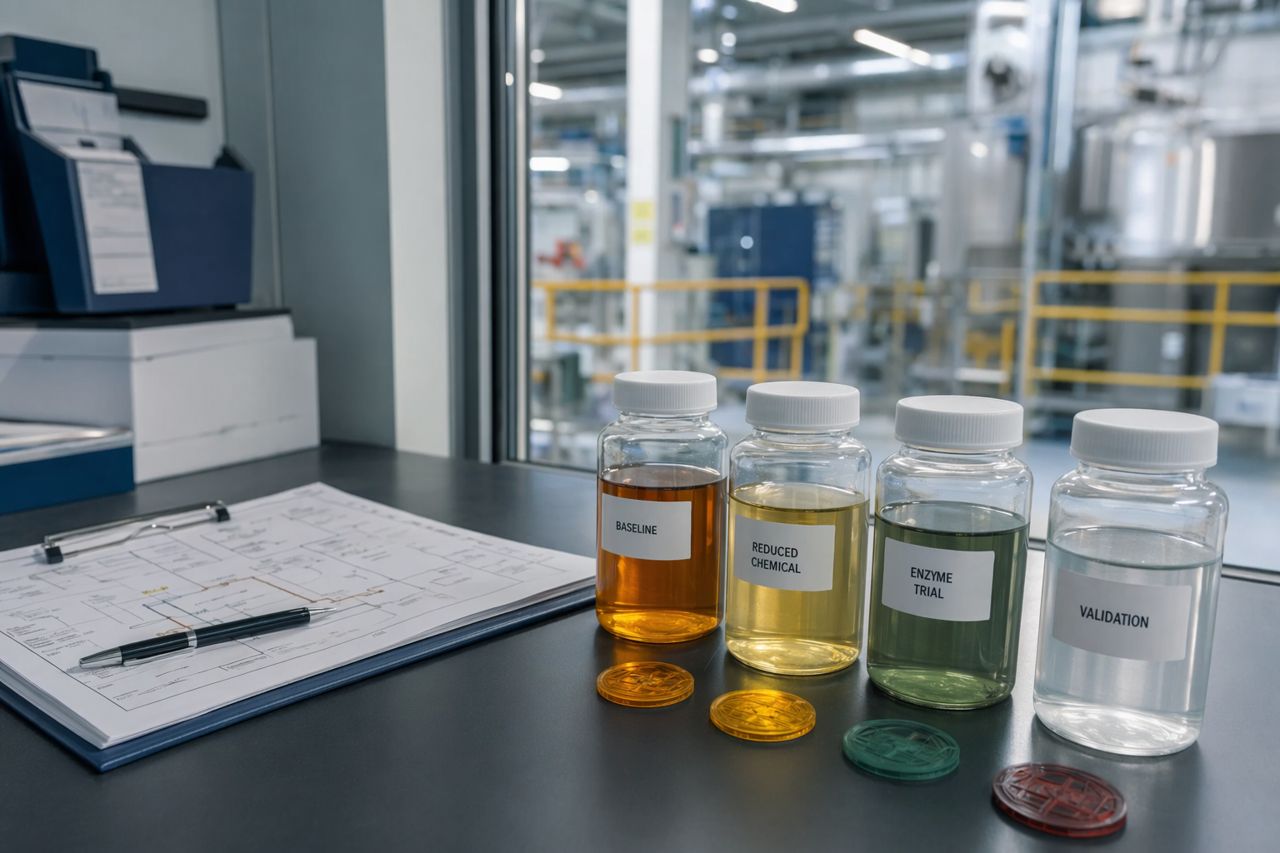
Baseline definition
We document the current chemical step, operating range, material inputs, quality checks, cost drivers, and known failure modes.
Candidate enzyme selection
We shortlist enzyme options based on substrate fit, process temperature, residence time, pH range, compatibility, handling requirements, and likely procurement pathway.
Pilot protocol design
We define where the enzyme enters the process, how dosage will be staged, which variables must remain fixed, and which KPIs will decide pass, hold, or stop.
Plant-risk controls
We identify contamination risks, carryover concerns, cleaning implications, allergen or exposure considerations, and segregation needs before production-floor use.
Data capture and review
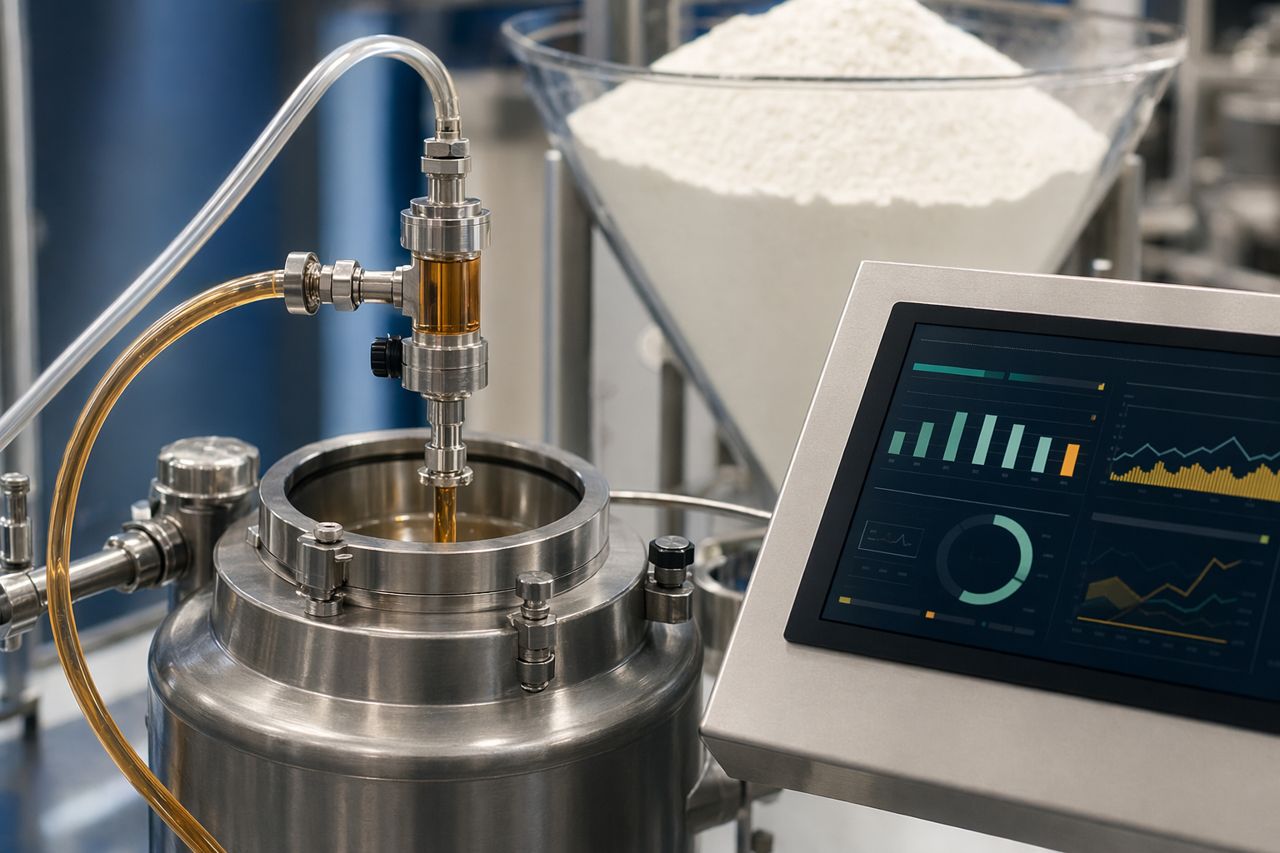
We provide a practical results framework so process, EHS, quality, and procurement teams evaluate the same evidence.
The right KPIs depend on the process. We avoid generic claims and build a scorecard around your production reality.
Typical KPI groups include:
The goal is a decision-grade pilot: continue, revise, scale, or stop.
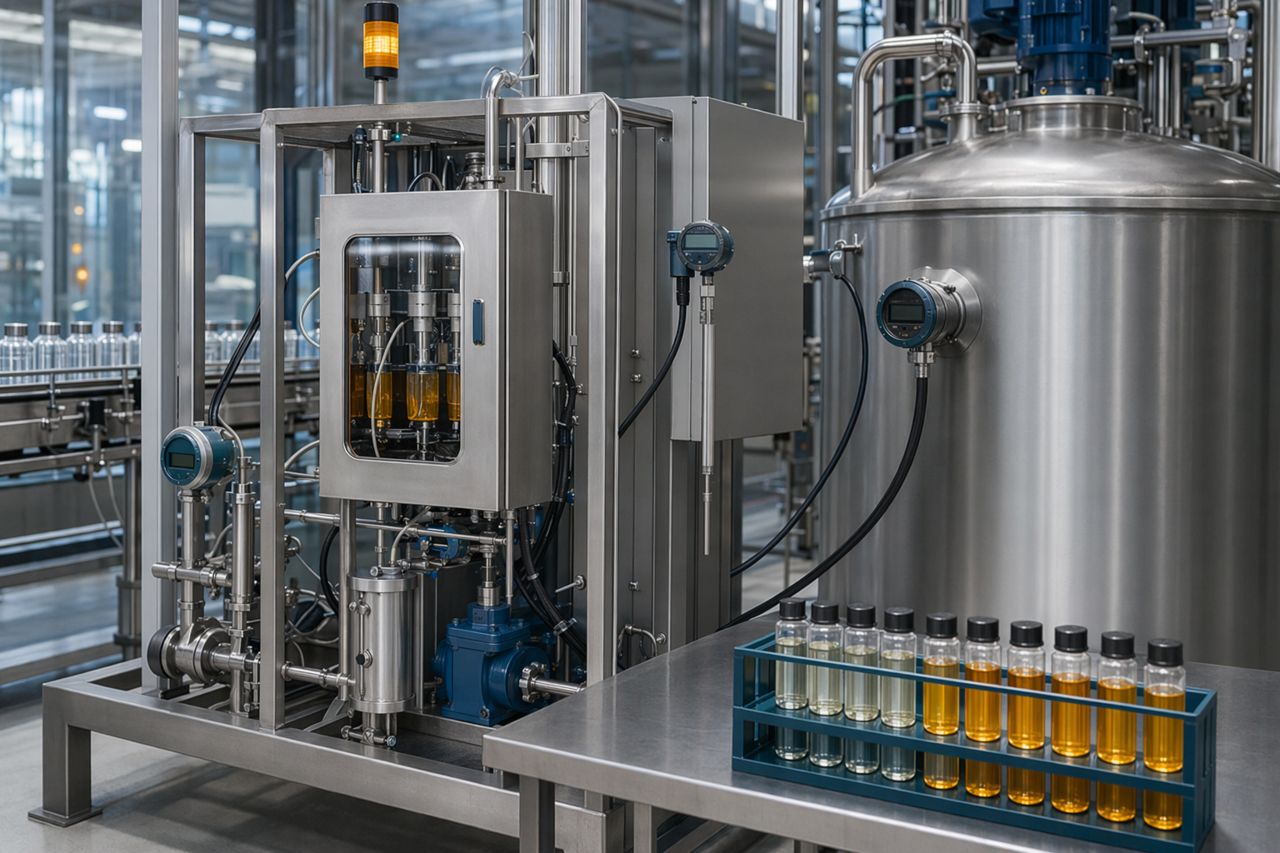
Enzyme pilots fail when they ignore how factories actually run. We design around constraints your team cannot simply remove.
That includes:
We translate enzyme trial design into a format that production teams can execute without guessing.
Yieldwright Labs works with process teams across industrial applications where targeted biocatalysis may reduce harsh chemistry or improve selectivity.
Examples include:
Every project starts with the process problem, not the enzyme name.
A typical engagement can include:
We can support early feasibility, pilot preparation, live trial review, or post-trial decision-making depending on your internal capability.
Internal teams often know the process better than anyone. What they may not have is the time or specialist bandwidth to convert an enzyme idea into a controlled plant trial.
Yieldwright Labs helps reduce avoidable trial risk by:
The outcome is not a report for a shelf. It is a clear recommendation your site team can act on.
If you are evaluating whether an enzyme can reduce or replace a chemical step, send us the process context and target outcome. We will review the fit, identify the information needed for a scoped pilot, and quote the trial support required.
Use the on-site request a quote form and include:
Tell us your application and volume — we reply with pricing and lead time.