Wastewater, Foam, and Residue Notes During Factory Enzyme Trials
Enzyme trials are often scoped around yield, conversion, throughput, cleaning time, or raw material flexibility. That is the correct starting point, but it is not the complete factory picture.
When a plant changes an enzymatic step, the effect can move downstream into foam behavior, residue handling, wastewater load, filtration, centrifugation, tank cleaning, and utility scheduling. These effects may be small, beneficial, or temporary. They still need to be measured with the same discipline as the main process KPI.
Yieldwright Labs works as an industrial enzyme trial supplier for factories that need structured trial design, production-floor constraints, and commercially useful evidence before committing to a process change. This note is written for process improvement managers, wastewater treatment firms, antifoam suppliers, filtration vendors, and plant utilities specialists who need a clearer trial interface.
Why wastewater and residue teams should be in the trial conversation early
A well-designed enzyme trial does not end at the reaction vessel. It follows the material through the next operating constraints.
Typical downstream questions include:
- Does the trial change foam height, foam persistence, or antifoam demand?
- Does the treated stream settle, filter, or separate differently?
- Are fines, gums, starch residues, proteins, fats, or fiber fragments shifting into a new form?
- Does the wastewater plant see a different organic load profile or suspended solids pattern?
- Does the cleaning team see shorter, longer, or simply different residue removal behavior?
- Are operators adding water, antifoam, caustic, heat, or hold time to compensate for an untracked change?
These are not side issues. They affect whether a trial that performs well in the lab can survive a production review.
The practical risk: a good primary result with an unmanaged secondary effect
A factory may see better release, faster breakdown, improved extraction, or lower viscosity from an enzyme recommendation. At the same time, the same change may shift surface-active material, alter suspended solids, loosen deposits, or create a more persistent foam layer during transfer.
That does not automatically mean the enzyme is wrong. It means the trial needs a broader measurement plan.
The avoidable mistake is waiting until after the first plant run to ask wastewater, filtration, or utilities teams what they observed. At that point, the trial record is often incomplete: operators remember the visible disruption, but baseline comparisons are thin.
Yieldwright Labs structures these trials so that secondary effects are anticipated, logged, and evaluated against baseline rather than treated as anecdotes.
Baseline signals worth capturing before dosing changes
Before a production-floor enzyme trial, the plant should establish baseline notes for the relevant downstream systems. The list does not need to be excessive. It does need to be consistent.
Useful baseline indicators may include:
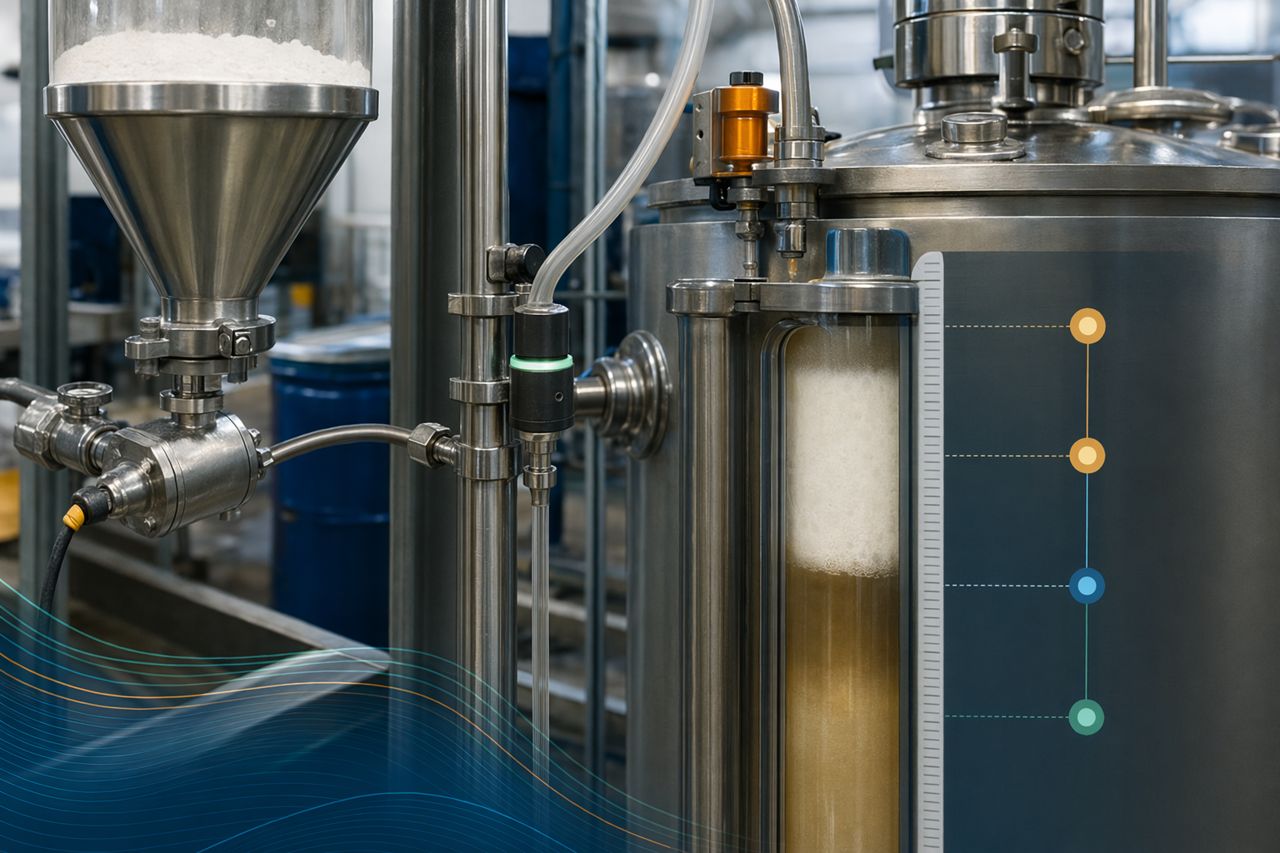
- Foam height during transfer, mixing, neutralization, aeration, or washdown
- Time required for foam collapse under normal operating practice
- Antifoam addition frequency and intervention points
- Filtration pressure trend, flow restriction, or blinding frequency
- Centrifuge torque trend, bowl condition, or separation stability
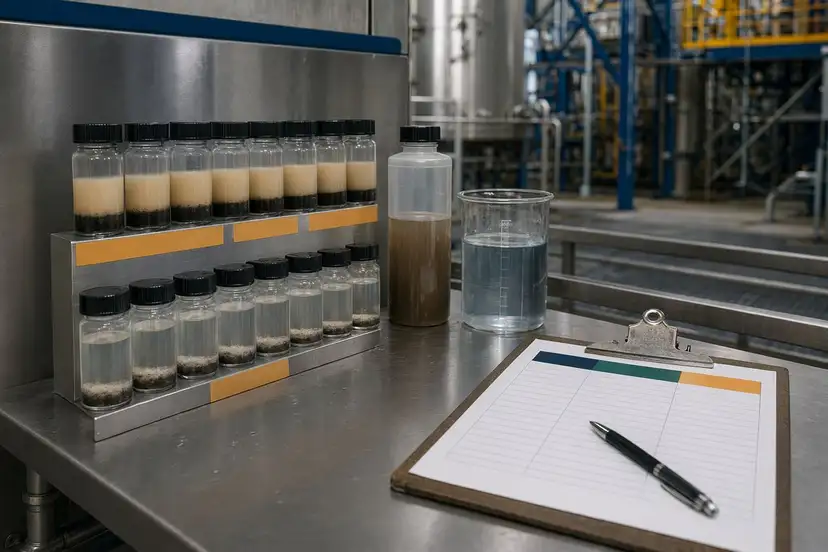
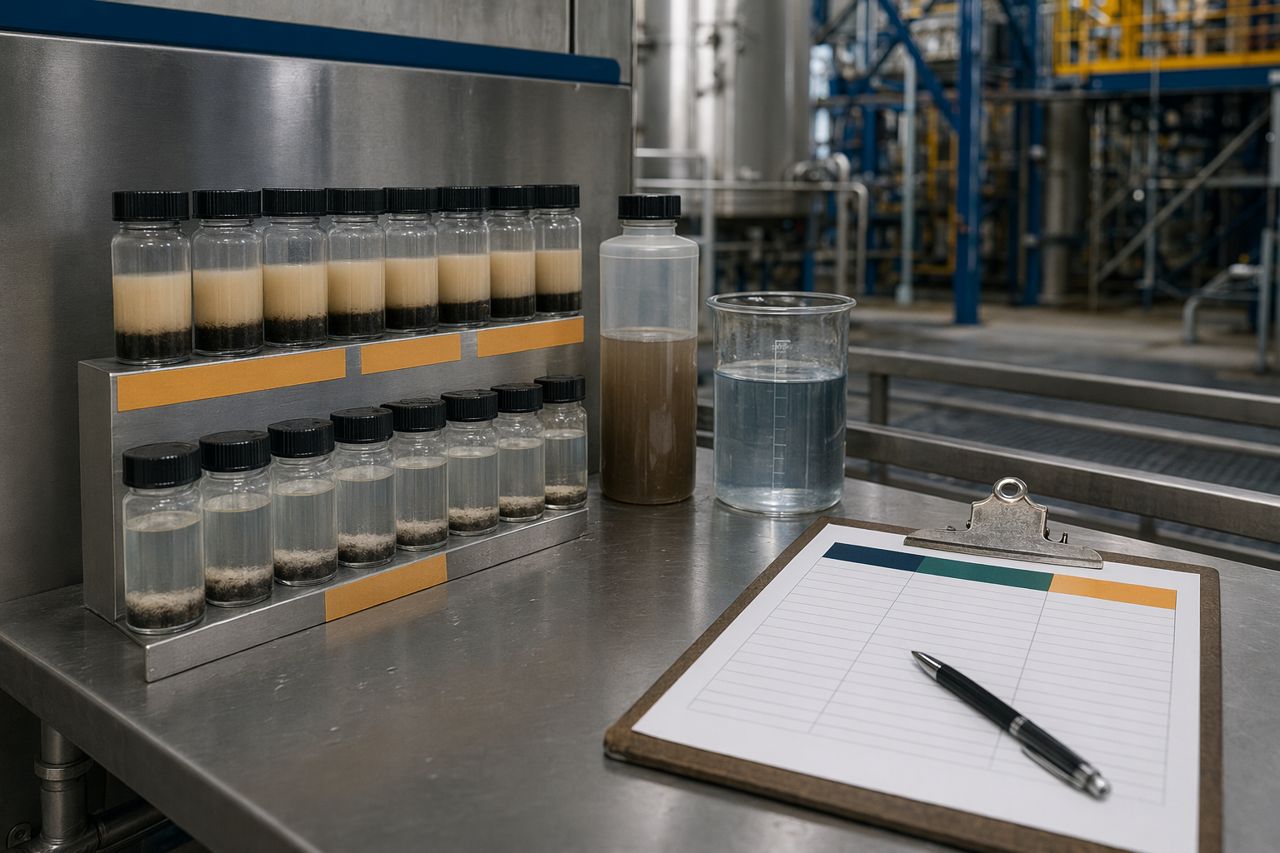
- Settling behavior in sample jars or plant observation points
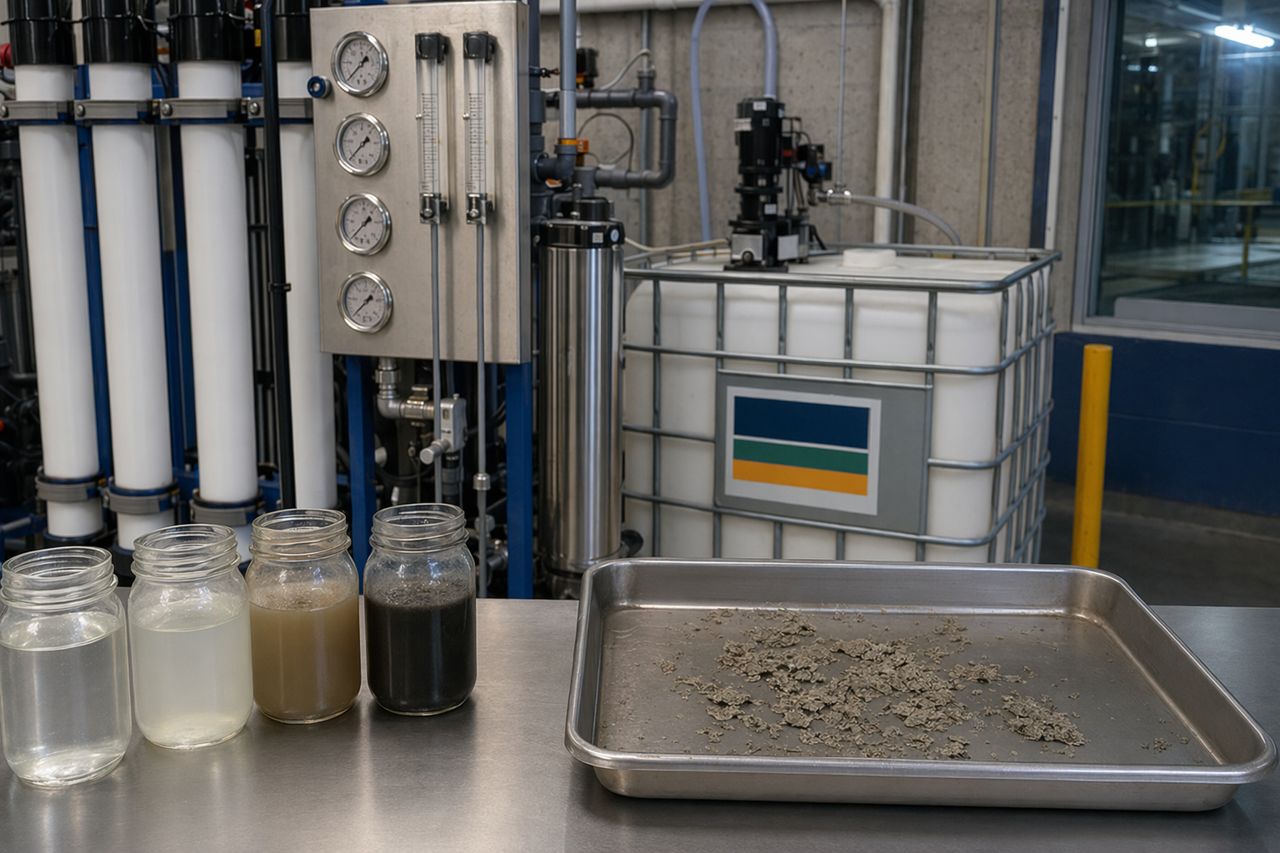
- Wastewater pH, temperature, organic load indicators, suspended solids, and visual character
- Sludge volume, dewatering behavior, and polymer adjustment notes where relevant
- Cleaning time, rinse clarity, visible residue, and rework frequency
The goal is not to turn every enzyme trial into a wastewater study. The goal is to prevent downstream uncertainty from blocking a commercially useful process change.
Foam notes: what to separate during the trial
Foam is often discussed too generally. During an enzyme trial, the team should separate at least four questions:
1. Where does the foam appear?
Foam during reaction is different from foam during transfer, neutralization, filtration feed, aeration, or clean-in-place discharge. Location helps identify whether the effect is linked to chemistry, shear, temperature, air entrainment, or downstream handling.
2. Is it new, higher, or more persistent?
A short-lived foam increase may be operationally acceptable. Persistent foam that affects tank capacity, sensor reliability, or operator intervention is a different decision.
3. Is antifoam masking the signal?
If operators increase antifoam addition informally, the trial may look stable while the cost and wastewater profile change. Antifoam use should be recorded as part of the trial record.
4. Is foam tied to a dose band or process condition?
A structured trial can test whether the foam response appears only above a certain dosing range, at a certain hold time, or under specific agitation and transfer conditions.
Residue behavior is often the missing commercial variable
Residue can be a benefit or a problem. Enzymes may loosen deposits, reduce buildup, shift solids into suspension, or change how material adheres to metal, screens, membranes, pipes, tanks, and heat-transfer surfaces.
The trial should distinguish between:
- Less residue in the process vessel
- More solids moving to downstream separation
- Residue that is easier to rinse
- Residue that disperses but increases wastewater load
- Residue that changes filter or screen behavior
- Residue that appears only during startup, changeover, or shutdown
For factories, the commercial question is not simply whether the enzyme works. It is whether the total operating effect is favorable after accounting for cleaning, separation, disposal, rework, utilities, and operator handling.
Wastewater treatment firms: what to ask from the factory trial team
Wastewater partners can add value without taking ownership of the enzyme decision. The most useful contribution is a simple observation protocol that fits the factory trial window.
Helpful requests include:
- Baseline and trial-day influent snapshots
- Notes on peak load timing rather than only daily averages
- Any change in foam, odor, color, settling, or sludge handling
- Records of pH adjustment, nutrient adjustment, polymer use, or aeration response if applicable
- Clear separation between normal production variability and the enzyme trial window
The best wastewater input is practical and time-stamped. It helps the plant decide whether a visible change is a manageable transition, a process-control issue, or a stop condition.
Antifoam and filtration vendors: where trial evidence helps
Antifoam suppliers and filtration vendors often get called after a trial creates a visible plant issue. A better approach is to involve them before the trial with a narrow brief.
For antifoam suppliers, the question may be whether current controls can manage a temporary or dose-related foam profile without over-treatment.
For filtration vendors, the question may be whether the enzyme shifts particle character, blinding frequency, precoat behavior, membrane fouling, or differential pressure trend.
For both groups, the value is in comparing baseline to controlled trial conditions, not in reacting to an isolated production upset.
Trial gates that protect the production floor
Yieldwright Labs typically recommends trial gates that match the plant risk profile. These may include:
- Baseline confirmation: current process, wastewater, foam, residue, and utility constraints are documented.
- Lab or bench recommendation: enzyme option and operating window are selected against the primary process objective.
- Plant-readiness review: sampling points, operator notes, stop conditions, and downstream observers are confirmed.
- Controlled production run: dosage, timing, temperature, pH range, mixing, and hold conditions are kept inside the agreed trial plan.
- Downstream review: wastewater, foam, filtration, residue, cleaning, and utility observations are compared against baseline.
- Commercial decision: the plant reviews net value, risk controls, and scale-up requirements before broader adoption.
This structure keeps the trial from becoming either a lab exercise or an uncontrolled production experiment.
KPIs that make the decision clearer
The strongest factory enzyme trial reports connect primary performance to secondary operating effects.
Depending on the process, the KPI set may include:
- Yield or recovery improvement
- Throughput or cycle-time change
- Viscosity reduction or transfer improvement
- Filterability, separation stability, or solids handling
- Cleaning time and rinse quality
- Foam intervention frequency
- Antifoam consumption
- Wastewater load indicators and suspended solids trend
- Sludge handling or dewatering observations
- Rework, downtime, or operator intervention
- Net operating cost impact
A trial does not need every KPI. It needs the right KPIs for the constraint that could approve or block implementation.
What a quote request should include
If you are planning an enzyme trial and expect wastewater, foam, residue, filtration, or utilities impact, include the following in your request:
- Factory process and target improvement
- Current bottleneck and baseline performance
- Main material stream and downstream handling steps
- Known foam, residue, or wastewater constraints
- Available plant trial window
- Existing vendor involvement, such as wastewater, antifoam, filtration, or cleaning partners
- Decision criteria for moving from recommendation to production validation
Request a quote for a structured factory enzyme trial
Yieldwright Labs can help define the trial plan, evidence requirements, downstream observation points, and supplier coordination needed to evaluate an enzyme change under real factory constraints.
Request a quote through the on-site form and include your process objective, trial window, and any wastewater, foam, residue, or utilities constraints that may affect approval.